Clifton Hall
A Millennium of History Above the Trent
Clifton Hall stands as one of the most historically significant manorial sites in the East Midlands.
For over 700 years, it was the primary residence of the Clifton family, whose influence shaped the landscape of Nottinghamshire.
Today, while it has transitioned into private luxury apartments, it remains the spiritual heart of Clifton Village
The story of Clifton Hall isn't just about dates; it’s about the Clifton family legacy, the architectural evolution, and its surprising transition from a private seat of power to a modern residential complex.
1. The Medieval Foundations (11th Century – 1500s)
The story of the Hall begins shortly after the Norman Conquest. While the current structure is primarily post-medieval, the site is believed to have been occupied since the late 11th century.
The Clifton family first took up residence here in the 13th century. The earliest known Clifton family member associated with the estate is Alvaredus de Clifton (12th century), with continuous residence confirmed from the 13th century.
During this era, the "Hall" was a traditional medieval manor - probably a fortified house designed for security as much as status. Its position was strategic; built on the sandstone outcrop known as the "Clifton Cliff," it provided a commanding view of the Trent Valley, protecting the family's interests and the vital river crossings.
By the time of Sir Gervase Clifton in the 16th century, the family had become stalwarts of the Nottinghamshire gentry. This period saw the transition from a functional manor to a residence designed to impress, reflecting the family’s rising political stock under the Tudor monarchs.
2. The Golden Age of the Cliftons (1600s – 1800s)
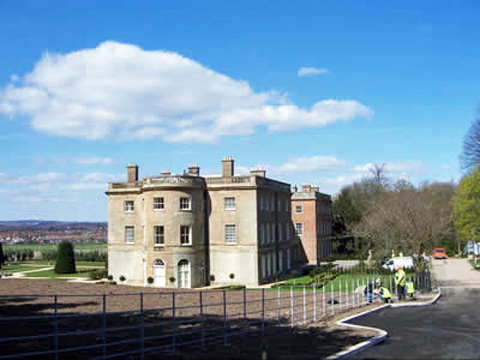
The 17th and 18th centuries were the transformative years for Clifton Hall. It was during this time that the building evolved into the grand stately home we recognize today.
The Caroline Remodel
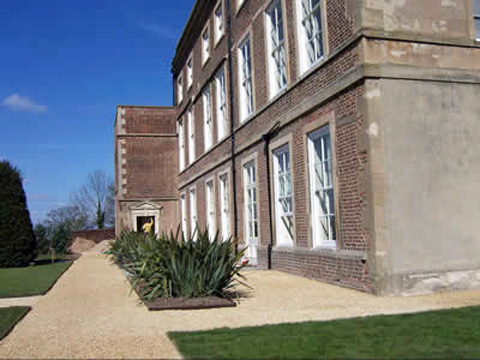
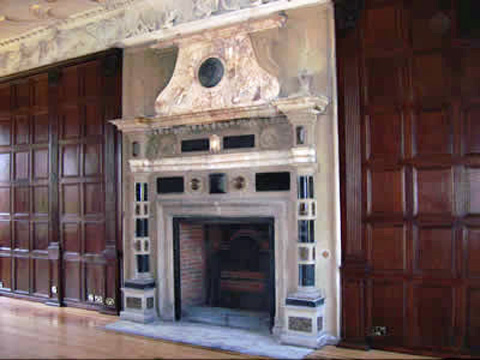
In the 1630s, Sir Gervase Clifton (the 1st Baronet) undertook a massive rebuilding project. He was a man of immense social standing—known for having seven wives and being a favorite of King Charles I. The King actually stayed at Clifton Hall in in the early 1630s. To accommodate royalty, the Hall was updated with fashionable Dutch gables and ornate interior woodwork.
The Georgian Elegance
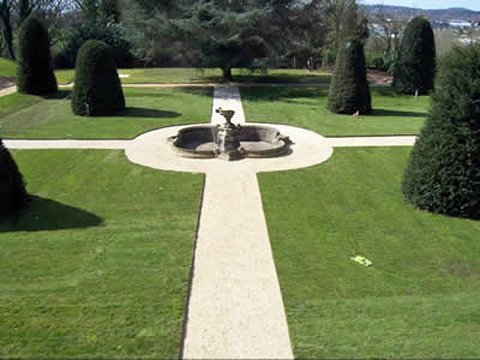
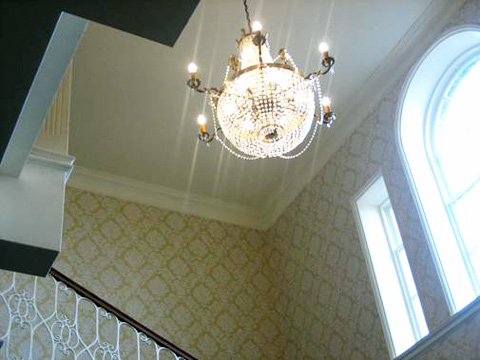
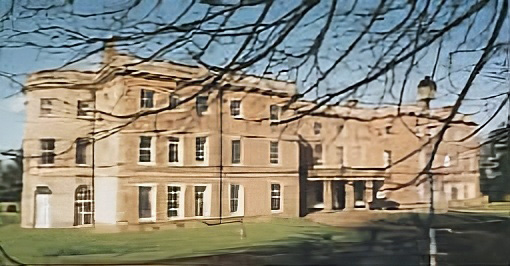
In the late 18th century, the Hall underwent its most significant aesthetic shift. Under the direction of architect John Carr of York, the house was "Georgianised." The rugged, disparate elements of the old manor were brought into a cohesive, symmetrical Neo-Classical style. This period saw the creation of the famous Pages Hall and the refinement of the Great Staircase. The grounds were also transformed. The "Clifton Grove," a double avenue of elm trees stretching over a mile along the river, became a local landmark, immortalised in the poetry of Henry Kirke White. For the Cliftons, the Hall was a theatre of status, hosting the elite of English society.
3. Victorian Industrialism and the First Signs of Change
Throughout the 19th century, the Hall remained a bastion of tradition, but the world around it was changing. The Industrial Revolution brought coal mining to the edges of the estate. While the Cliftons profited from mineral rights, the encroaching industry began to chip away at the isolation of the village. Indeed, the Cliftons were already under financial pressure earlier in the 19th century due to debts and estate management issues.
By the late 1800s, maintaining a house of such scale - with dozens of servants and vast acreage - became a financial burden. The agricultural depression of the 1870s hit the landed gentry hard, and for the first time in centuries, the Clifton family’s grip on the estate began to loosen.
4. The 20th Century: From Family Home to Public Service
The most dramatic changes in the Hall’s role occurred in the 20th century. Following the death of Colonel Sir Peter Clifton in the 1940s, the family finally ended their 700-year residency.
The Educational Era (1950s – 1970s)
In 1947, the estate was sold to the Nottingham City Council. As the city expanded south of the river to build the Clifton Council Estate (then the largest in Europe), the Hall was repurposed to serve the new population.
From 1958 to 1976, Clifton Hall served as Clifton Hall Girls’ Grammar School. For many local women today, the Hall is remembered not as a seat of nobility, but as a place of learning. Desks replaced dining tables, and the grand drawing rooms became classrooms. The conversion was a symbolic shift: the Hall had moved from private elite ownership to a public asset for the post-war generation.
The Trent Polytechnic Years (1970s – 1990s)
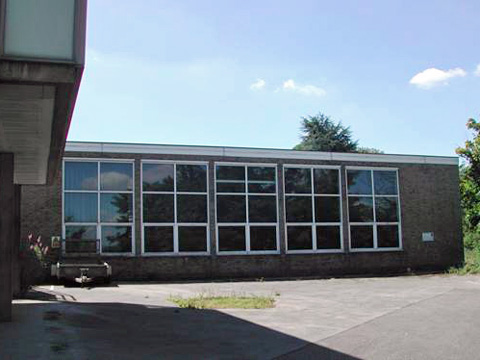
Following the closure of the grammar school, the Hall was integrated into Trent Polytechnic (now Nottingham Trent University). It housed the Department of Music and later served as administrative space. During this time, the building was a hub of student activity, though the cost of maintaining a Grade II* listed building started to take a toll on the institution’s budget.
5. The Modern Era: Restoration and Controversy
By the early 2000s, the Hall had fallen into a state of semi-disrepair. The university sold the building back into private hands, sparking a decade of uncertainty.
The "Haunted" Interlude
In 2008, the Hall made international headlines when a businessman (Anwar Rashid), who purchased it for £3.6 million, fled the property after only eight months, claiming it was severely haunted. While these "ghost stories" (involving mysterious figures and blood spots) provided tabloid fodder, they highlighted the difficulty of adapting such a massive, ancient structure to 21st-century living.
6. The Luxury Homes (Present Day)
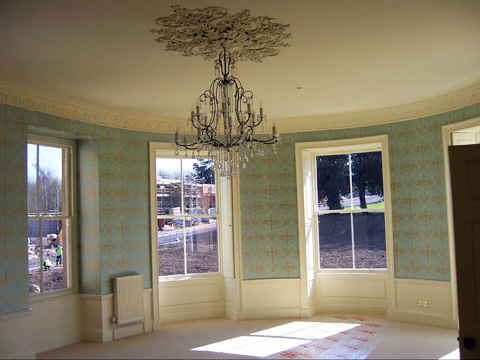
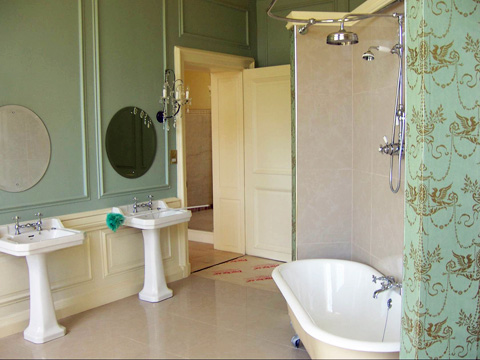
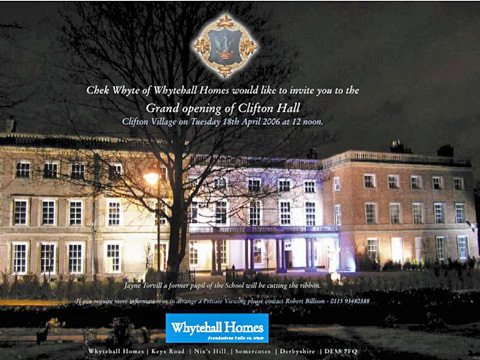
Today, Clifton Hall has been successfully repurposed once more. It has been divided into two, very large, luxury private properties with a small development of high-end houses in the grounds. This role represents a "full circle" moment: the Hall is once again a private residence, though now shared by multiple families rather than one dynasty.
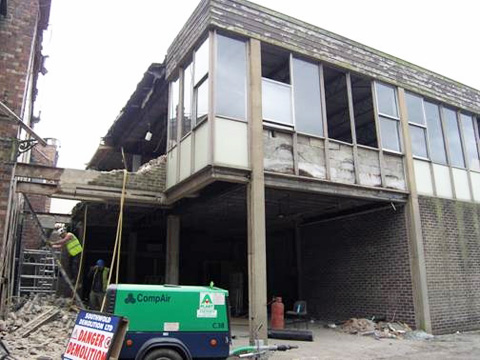
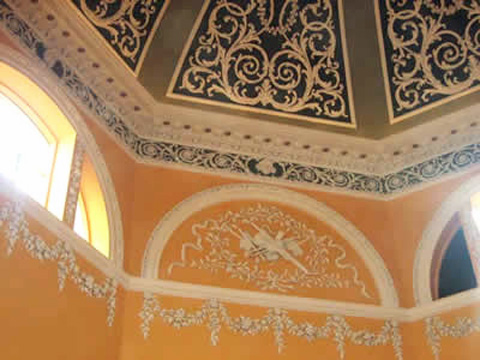
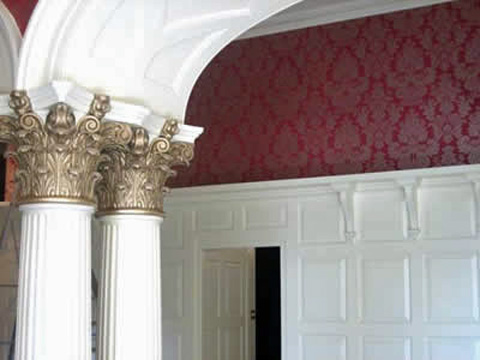
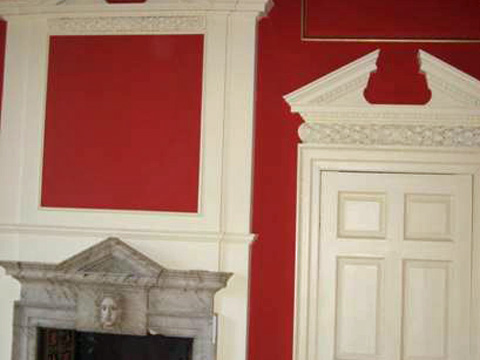
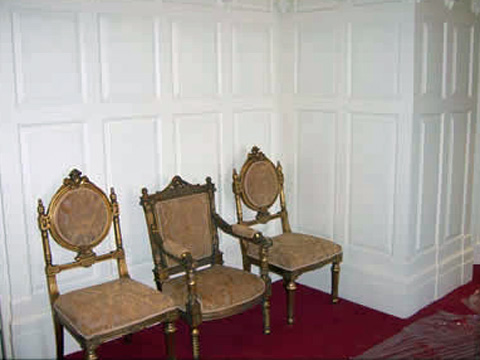
The restoration work required to facilitate this transition saved many original features, including the 17th-century ceiling in the "Red Room" and the grand stone entrance.