Dovecote
A Brief History
Dovecotes date back to Roman times, although the oldest known example in Britain is from around AD 1000, with the earliest in Nottinghamshire dating to the 14th century. The dovecote in Clifton Village was built in the early 1700s as part of the Clifton family’s farming estate.
Historically, pigeons were an important source of fresh meat, particularly during winter. At that time, there was often a shortage of hay and other cattle feed, meaning livestock was usually slaughtered in late autumn. Only enough animals were kept alive to form the basis of the following year’s herds. Meat was preserved with salt where possible, but due to limited supplies it was more often hung or smoked. This partially preserved meat sustained communities until spring, when pasture, grain, and vegetables became available again.
Because diets were monotonous, pigeons were cultivated to provide variety and a reliable source of fresh food. The value of the blue rock pigeon was recognised by the Romans and possibly earlier cultures. Pigeons breed rapidly, producing up to eight broods a year, often starting a second nest before the first brood had fledged. From May to September, young pigeons provided a regular supply of tender meat, while adult birds required slow cooking.
Dovecotes - also known as culverhouses in England and doocots in Scotland - were purpose-built structures lined with nesting boxes. They were usually owned by wealthy landowners and became clear symbols of status. In addition to meat, pigeons provided feathers and down for bedding, while their dung was highly valued as fertiliser and as a source of saltpetre for gunpowder and leather tanning.
The widespread use of dovecotes declined in the 17th century with the introduction of turnips from Holland. As an excellent winter feed for livestock, turnips allowed fresh meat to be available year-round, reducing reliance on pigeons.
Clifton Village Dovecote
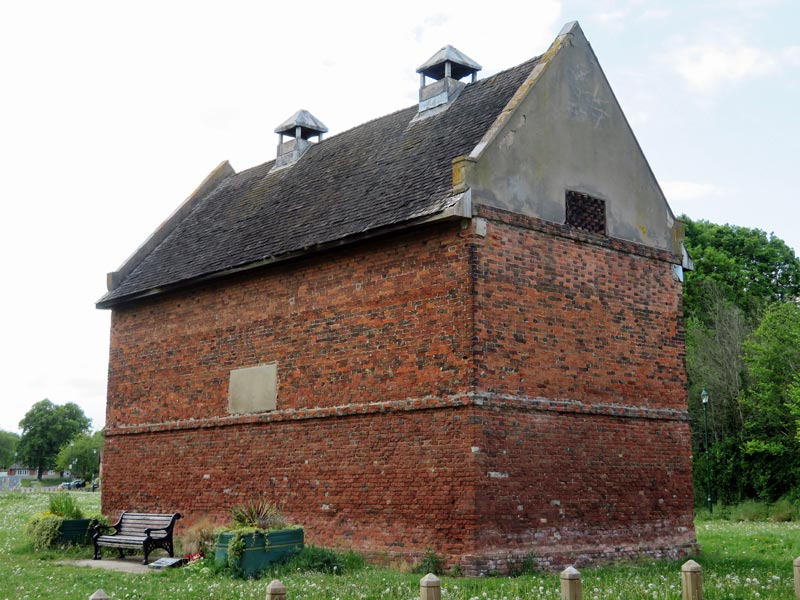
The Clifton Village Dovecote is a Grade II listed building, currently on the Buildings at Risk Register. Constructed of red brick, it measures approximately 11.6m by 5.5m, with flight holes in each gable end and a double brick rat ledge running around the building to prevent access to eggs. Work carried out in 1970 included a memorial inset into the brickwork commemorating those who served in the First World War. It is particularly notable for its size and interior layout.
The Clifton Village dovecote is in in need of significant repairs to the brick-pointing, parapet slabs and the roof.
The CVRA is currently evaluating steps that can be taken to remedy this situation. For more details, see the "Friends of the Dovecote" page.