Clifton Village
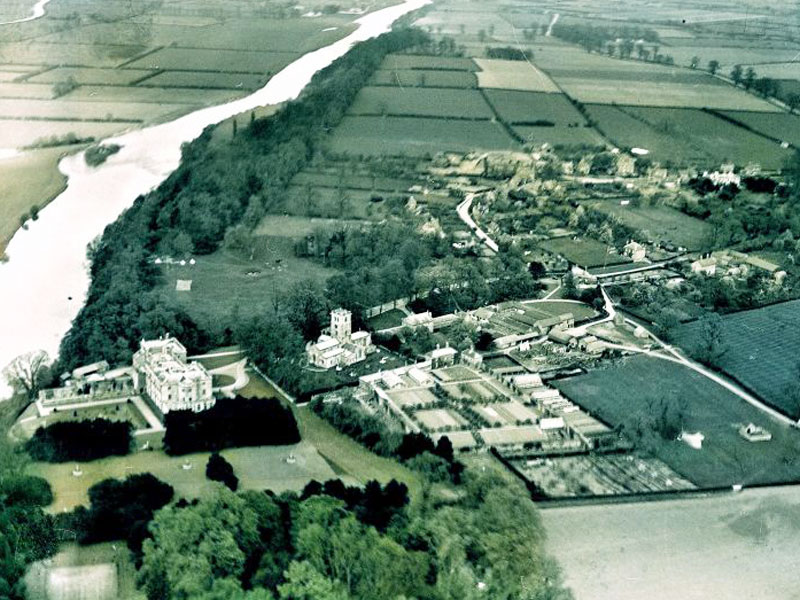
Clifton Village 1921 (Phil Hand)
Clifton: From Historic Village to Modern Community
Clifton Village is a small historic community on the south bank of the River Trent, just four miles south-west of Nottingham. Home to around 1,000 residents, the village blends rural character with a mix of traditional cottages, modern homes and a working farm, all within a peaceful, green setting.
At the centre of the village is Clifton Hall, once the seat of the Clifton family, set among ancient oak, fir and elm trees and enjoying wide views across the Trent and surrounding countryside. Clifton Grove, a mile-long tree-lined avenue, offers a popular cliff-top walk and remains one of the village’s most distinctive and well-loved features. St Mary’s Church stands beside the Hall and continues to be an important part of village life. The historic building, carefully restored in the 19th century, remains a focal point for heritage, reflection and community events. Clifton Village Hall, originally built in 1871 as the village school, has been sympathetically converted into an amenity centre for use by the residents of Clifton Village and the local neighbourhood.
Although located within Nottingham’s city boundary, Clifton Village has retained its own identity and strong sense of community. Regular social gatherings, help maintain the village’s close-knit and welcoming spirit.
Early History
Clifton’s recorded history stretches back to the Domesday Book of 1086, where it appears as “Clifton-cum-Glapton.” Glapton was originally a small neighbouring settlement that was later absorbed into Clifton. The village name is thought to derive from the cliff overlooking the River Trent.
By the 19th century, Clifton was widely regarded as an archetypal English village, known for its thatched cottages, open meadows, extensive woodland and small, stable population.
The “Closed” Village
For much of its history, Clifton functioned as a “closed village,” controlled by the Clifton family from the manor. Housing, employment and residency were tightly managed, helping maintain a remarkably stable population.
The figures illustrate this clearly: in 1801 the village had 381 residents; by 1901 the number had risen to just 383. As younger generations reached adulthood, many were forced to leave to find work and housing, often moving to nearby villages or into Nottingham. In contrast, neighbouring “open” villages such as Ruddington grew rapidly during the same period.
Post-War Expansion
Clifton’s quiet character changed dramatically after the Second World War. In 1947, Nottingham City Council purchased around 900 acres of Clifton land for £83,000 to address a severe housing shortage, with more than 10,500 people on the waiting list.
The expansion was driven by returning servicemen and women and major slum clearance programmes. Despite considerable opposition — including concerns about the loss of countryside — the development proceeded after landowner Colonel Peter Clifton agreed to sell.
By 1953, the population had surged to around 6,000 residents in 1,838 homes, placing heavy pressure on transport links into Nottingham.
Clifton Bridge and Growing Pains
To relieve increasing congestion across Trent Bridge, Clifton Bridge was constructed in 1955 between Clifton and Wilford, close to the entrance to Clifton Grove.
However, the rapid development brought criticism. Residents highlighted the lack of shops, leisure facilities and community infrastructure. In 1958, a television programme controversially labelled the estate “hell on earth” and a “soulless dormitory.” Local officials strongly disputed this portrayal, pointing to youth clubs, churches and emerging community initiatives.
By the late 1950s, the entire Clifton estate had been acquired from the Clifton family and was reputed to be the largest housing estate in Europe.
Changing Fortunes
A 1967 resident survey painted a more positive picture, finding that 76% of households were happy living in Clifton. Nevertheless, concerns about amenities, design and community cohesion resurfaced through the 1970s as further housing was added.
By 1971, the population had reached approximately 26,000, comparable to a sizeable town. Critics continued to describe Clifton as functioning more as a dormitory suburb than a fully developed community.
Clifton Today
Today, Clifton presents a more balanced and evolving character. Many former council homes have been purchased and improved, bringing greater colour and individuality to the estate.
Importantly, the historic heart of Clifton Village has retained much of its original charm.
What remains is a community that reflects both its deep historical roots and its significant role in Nottingham’s post-war development — a village that has adapted over time while preserving the strong sense of identity that continues to define Clifton Village today.
Gallery
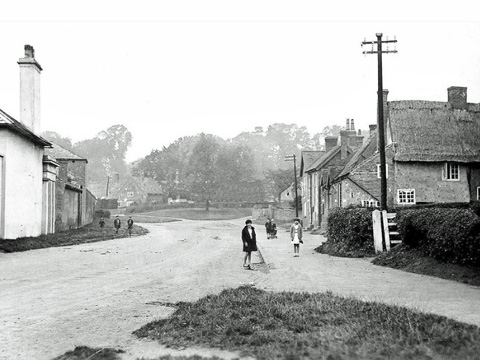
Clifton Village 1935
Mike Crew - Old Nottingham Pictures
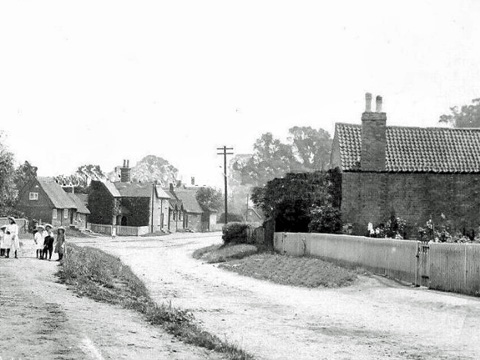
Clifton Village - late 19th Century?
Mike Crew - Old Nottingham Pictures
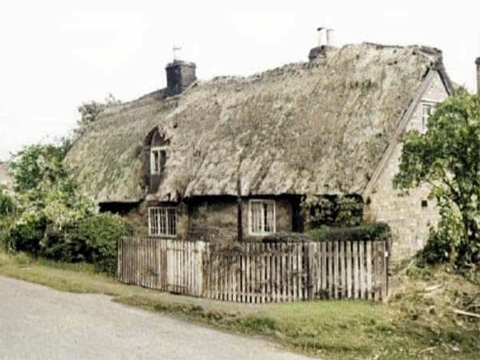
Elliott's Tea Gardens - Clifton Village
Anthony Stubbins - Old Nottingham Pictures
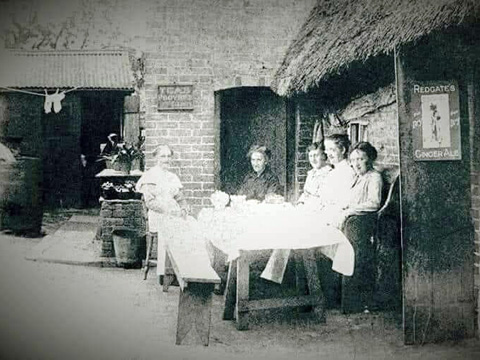
Elliott's Tea Gardens - Clifton Village
Anthony Stubbins - Old Nottingham Pictures
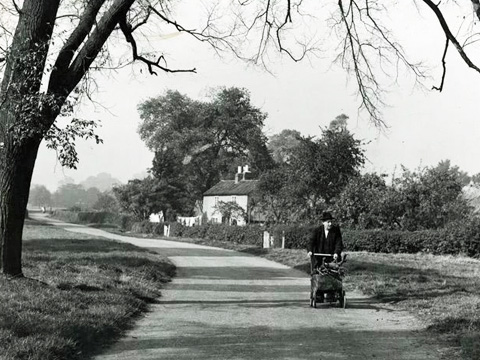
Clifton-cum-Glapton (now Clifton Estate); date unknown
Mike Crew - Old Nottingham Pictures
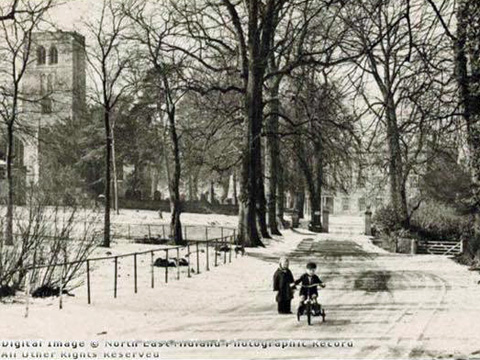
St Mary's Church - Clifton Village c1910
Carl Mason - Old Nottingham Pictures
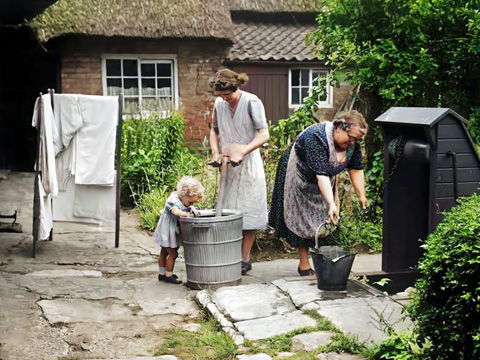
Washday in Clifton Village 1948
James Watson - Old Nottingham Pictures
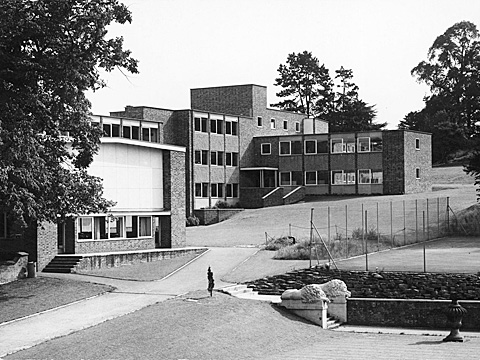
Clifton Hall School extension 1965
Maureen Cavendish - Old Nottingham Pictures